Restoring a historic property is a rewarding but highly regulated process. Whether you’re a homeowner or managing a heritage asset, understanding the legal requirements and best practices for a listed building renovation is essential. From navigating permissions to selecting the right materials, this guide will walk you through everything you need to know to approach the renovation of listed buildings with confidence.
Understanding the Status of Your Listed Building
Before beginning any historic building renovation works, it’s important to understand what “listed” actually means and how it affects your property.
What is a Listed Building?
A listed building is a structure recognised for its special architectural or historic interest and protected by law. This designation ensures that any alterations preserve the building’s character and significance.
In England, you can find out if a structure is listed by placing a search on the National Heritage List for England.
Listed Building Classifications
Listed buildings are divided into three main categories based on their level of importance:
Grade I
Grade I buildings are of exceptional interest, often considered internationally significant. Only around 2.5% of listed buildings fall into this category. A grade 1 listed building renovation requires extremely careful planning, specialist expertise, and rigorous approval processes.
Grade II*
Grade II* buildings are particularly important structures of more than special interest. They account for roughly 5.5% of listings and also demand a high level of conservation sensitivity.
Grade II
Grade II buildings make up the majority (around 92%) of listed properties. While slightly less restrictive than higher grades, a grade 2 listed building renovation still requires strict adherence to regulations. If you’re considering renovating a grade 2 listed building, it’s essential to understand what changes are permissible before starting work.

What is Listed Building Consent?
Listed building consent is formal approval from your local planning authority to carry out work that affects the character of a listed property. This applies to both internal and external changes, including repairs, alterations, and extensions.
Unlike standard planning permission, listed building consent focuses specifically on preserving historical significance rather than development impact.
When is Listed Building Consent Required?
Understanding when listed building consent is required is critical to avoiding costly delays or legal issues. In general, consent is needed for:
- Structural alterations (walls, roofs, floors)
- Replacing windows or doors
- Painting previously unpainted surfaces
- Removing or altering historic features
When is Listed Building Consent Not Required?
Minor like-for-like repairs using identical materials may not need approval. However, even small changes can sometimes require consent, so it’s always best to check first.
If you’re unsure, your local authority will be able to advise and guide you through the process of gaining listed building consent if required, including documentation, drawings, and heritage impact statements.
Working with Your Local Planning Authority
Your local planning authority plays a central role in any listed buildings renovation project. Early engagement is key and consulting with conservation officers before submitting an application can save significant time and effort.
They will assess:
- The historical importance of the building
- The impact of proposed changes
- The suitability of materials and methods
Building a collaborative relationship with your local authority ensures your project aligns with conservation standards from the outset. For more information on whether you require planning permission or to find your local authority, visit the Planning Portal.

Using Traditional Materials and Why They Matter
One of the most important aspects of a successful historic building renovation is the use of traditional materials. Older buildings were constructed using breathable materials such as lime mortar, timber, and natural stone. Using modern alternatives like cement can trap moisture and cause long-term damage.
Key considerations include:
- Matching original materials as closely as possible
- Using breathable paints and finishes
- Avoiding synthetic coatings that can harm historic fabric
Assembling the Right Team of Heritage Painters and Decorators
Specialist expertise is essential when working on heritage properties. Hiring experienced heritage painters and decorators ensures that every aspect of the work respects the building’s character.
A skilled team:
- Understands conservation principles
- Uses appropriate materials and techniques
- Works closely with conservation officers and architects
Choosing professionals with proven experience in listed building renovation projects reduces risk and helps maintain compliance throughout the process.
Common Pitfalls Renovating a Listed Building and How to Avoid Them
While restoring a heritage property can be incredibly rewarding, there are several common pitfalls to be aware of:
-
Starting Work Without Consent
Undertaking work without listed building consent can lead to legal action and costly reversals.
-
Using Inappropriate Materials
Modern materials may seem convenient but can damage the building’s structure over time.
-
Underestimating Costs
Historic building renovation often involves unexpected repairs, so budgeting for contingencies is essential.
-
Lack of Specialist Knowledge
Working with non-specialist contractors can result in poor workmanship and non-compliance.
-
Ignoring Maintenance
Ongoing maintenance is crucial to preserving the building’s condition after renovation.
By planning carefully and working with heritage renovation experts, these challenges can be avoided for a streamlined, stress-free and effectively managed project.
Heritage Renovation Case Studies
The team at Marshels are specialists when it comes to renovating and maintaining heritage properties and structures. With over 40 years serving communities across Surrey, Hampshire, Berkshire and South West London, we’ve managed 100s of renovation projects for homes, commercial properties and heritage landmarks. Below are some examples of listed buildings we’ve renovated recently.
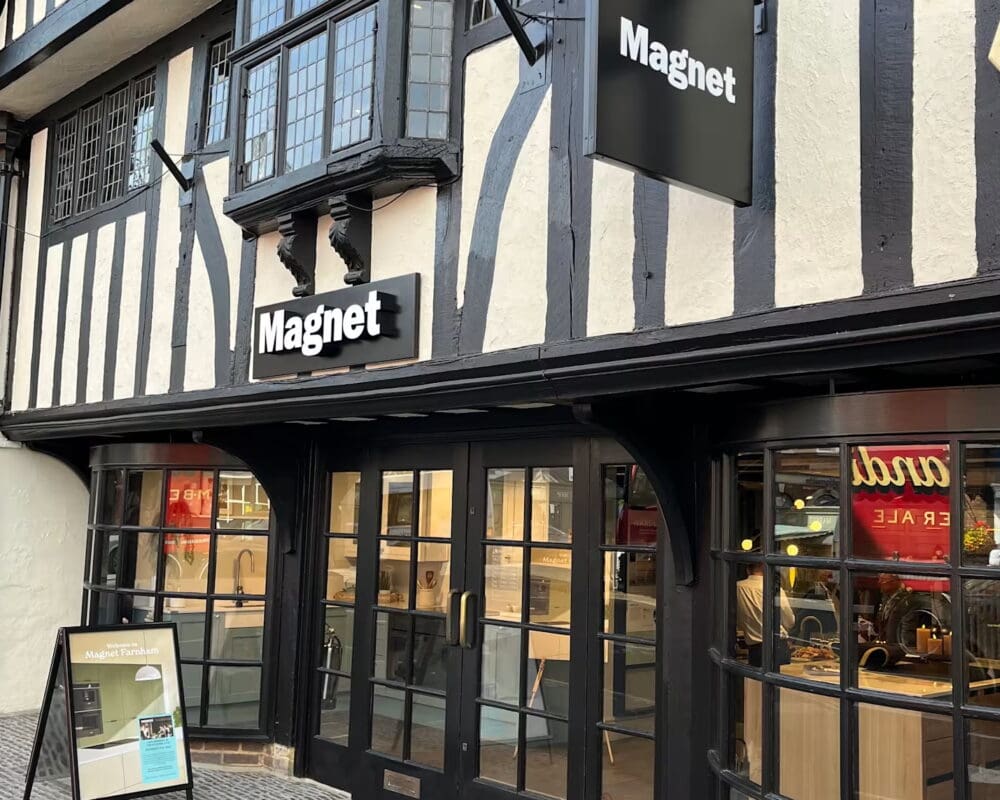
Commercial Renovation – Magnet Kitchens Farnham
This period commercial property renovation in Farnham focused on preserving the building’s original charm while upgrading its functionality for modern use.
The work included sensitive restoration of interior and exterior period features, high-quality finishes, and careful material selection, demonstrating how thoughtful renovation of listed buildings can successfully blend heritage with contemporary needs.
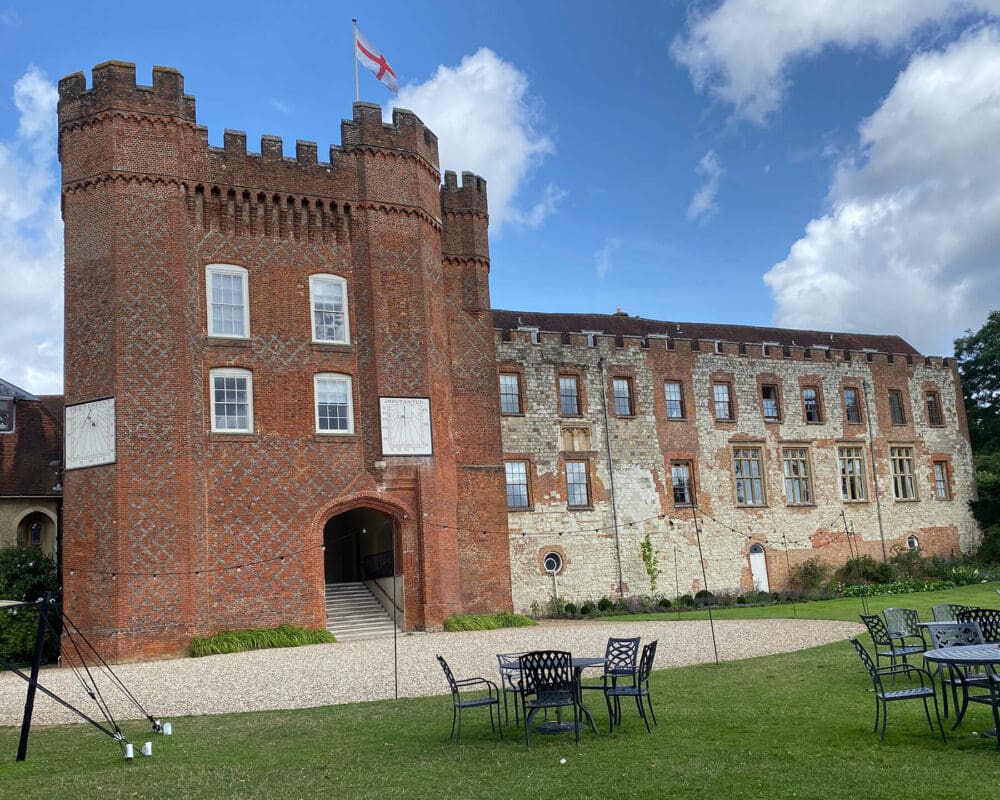
Farnham Castle Refurbishment
Marshels carried out extensive external works across the grounds at Farnham Castle, including restoration of timber beams, treatment of surrounding buildings, and exterior painting of the main castle.
This large-scale heritage project required careful coordination and the use of traditional materials to preserve the estate’s historic character.
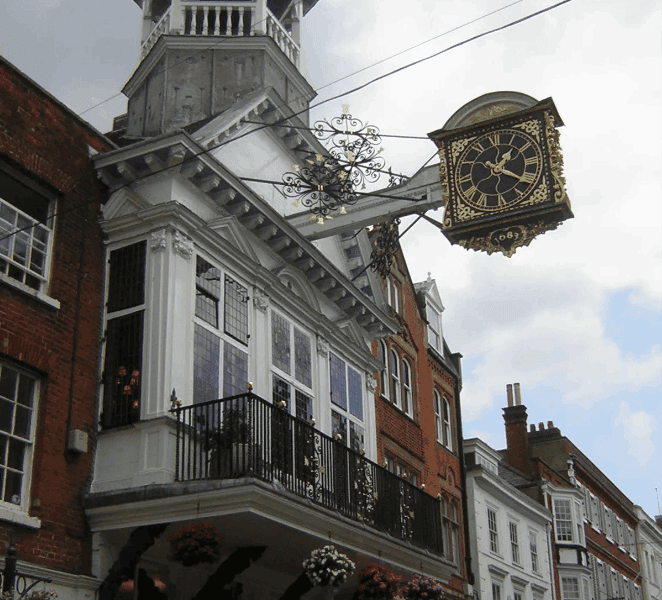
Guildhall Renovation in Guildford
Marshels played a key role in the conservation of the historic Guildhall clockface in Guildford, working alongside the GBC Assets Team and Guildford Borough Council. This intricate project required specialist techniques to restore delicate heritage features while maintaining historical accuracy.
The project was recognised with the Guildford Design Award 2023 for Small Conservation Project, highlighting the importance of skilled craftsmanship in listed buildings renovation.
Image source: visitsurrey.com
Summary
A listed building renovation is a complex but rewarding undertaking. From understanding what a listed building is to navigating when listed building consent is required, every step requires careful consideration and expert guidance.
By working closely with your local planning authority, using traditional materials, and assembling a skilled team of heritage painters and decorators, you can ensure your project respects the past while preparing the building for the future.
Whether you’re planning a grade 1 listed building renovation or improving a more common Grade II listed property, get in touch to discuss your project requirements and arrange a free consultation and no-obligation quote.