Choosing the right paint colour can transform how a room looks and feels, but the direction a room faces can have a surprisingly significant effect on how colours appear. North-facing rooms generally receive cooler, less consistent natural light and can often feel darker than rooms that benefit from regular direct sunlight.
That does not mean you have to stick to white or pale neutral walls. From warm neutrals and earthy greens to rich, cosy shades, there are plenty of options that can work beautifully in north-facing rooms. The key is understanding how the available light interacts with your chosen colour before you start painting.
What Is a North-Facing Room?
A north-facing room is one where the main windows or largest source of natural light faces north. You can check if your room is north facing with a smartphone compass or by checking the orientation of your property using an online map.
North-facing rooms generally receive less direct sunlight than south-facing rooms. Instead, they tend to have softer, cooler natural light throughout the day, which can make colours appear different from how they look on a paint chart or in a brightly lit showroom.
This cooler light is particularly noticeable in rooms with small windows, limited glazing or surrounding buildings and trees that restrict the available daylight.
Why Painting a North-Facing Room Requires Extra Thought
The biggest consideration when painting a north-facing room is the quality and amount of natural light.
Because there is usually less direct sunlight, cooler tones can become more pronounced. A pale grey, blue or crisp white that looks fresh and bright elsewhere can sometimes appear noticeably cooler in a north-facing space.
This is why choosing colours with warmer undertones can be particularly effective. Creamy whites, beige, taupe, soft pinks, warm greens, earthy browns and muted yellows can introduce a sense of warmth without necessarily making the room feel dark.
However, there is no single rule that says every north-facing room needs a light colour. In fact, trying to make a naturally darker room look artificially bright can sometimes produce a flat or washed-out result. Richer colours can work exceptionally well when the aim is to create a cosy, intimate space.
The important thing is to consider the whole room, including artificial lighting, flooring, furniture, window treatments and the size of the space.
Best Colours for North-Facing Rooms
The best paint colours for a north-facing room will depend largely on the room itself and your personal taste, however, these colour families are particularly worth considering.
Warm Neutrals
Warm beige, taupe, mushroom, stone and greige shades are versatile choices. Unlike cooler greys, warm neutrals can add subtle warmth while retaining the flexibility of a neutral colour scheme.
They work particularly well in living rooms, hallways and open-plan spaces where you want a timeless backdrop.
Warm Whites
White can still be an excellent choice, but consider warmer whites rather than very crisp, blue-based whites. Shades with subtle cream, yellow, pink or beige undertones can feel softer in cooler natural light.
Warm white is particularly useful when you want to keep a room feeling light and spacious without allowing it to appear too cold or stark.
Earthy and Natural Tones
Natural colours such as olive green, sage, muted terracotta, clay, warm brown and earthy beige can work beautifully in north-facing rooms.
These colours tend to have warmth and depth, making them useful for creating a welcoming atmosphere without relying entirely on overly pale shades.

Soft Pinks and Warm Reds
Muted blush, dusty pink, plaster pink and warmer, red-based tones can introduce warmth into a cooler room. They can be particularly effective in bedrooms and living spaces where you want a softer, more characterful scheme.
Deep and Cosy Colours
Don’t automatically rule out darker shades. Deep greens, navy blues, chocolate browns, burgundy and rich, red-based colours can create a sophisticated and calming atmosphere.
In a small north-facing room, embracing the darker character of the space can sometimes be more successful than trying to make it appear artificially brighter. The key is to provide enough artificial lighting and balance deeper walls with lighter furniture, flooring or accessories.
How to Brighten a North-Facing Room
When thinking about how to brighten a north-facing room, paint is only part of the answer.
Start by choosing a colour with warm undertones and consider using the same or a closely related shade across the walls, ceiling and woodwork to create a more cohesive feel. A lighter ceiling can also help reflect available light.
Mirrors are another useful addition, particularly when positioned opposite or adjacent to a window. Glossy or reflective surfaces can also help bounce light around the room.
Consider your artificial lighting carefully, too. A combination of ceiling lighting, wall lights, table lamps and floor lamps can make a significant difference, particularly during darker afternoons and evenings.
Finally, avoid blocking your windows with heavy curtains or bulky furniture. Lighter window treatments can help maximise the daylight available.
For something more decorative, consider introducing accent walls or using different interior wall painting techniques to add interest, texture and warmth without relying solely on colour.
Paint Colours for Each Type of North-Facing Room
Not every north facing room will benefit from the use of the same colour. How the room is used, the size of the space, the amount of natural light the room receives, the decorative features, furniture and existing fixtures all play a role in deciding on what colour will work best in your space.
Paint Colours for a North-Facing Living Room
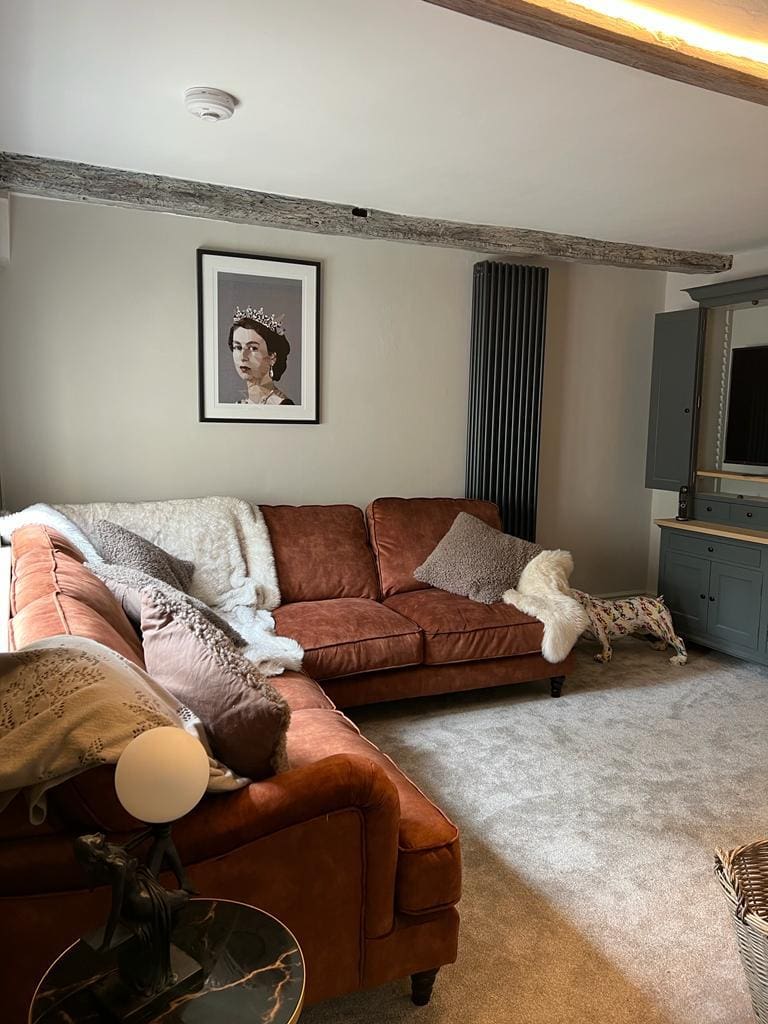
For a living room, warm neutrals, soft beige, muted greens, earthy pinks and warm off-whites can all work well. If you want something more dramatic, consider a deep olive green, warm navy or rich brown.
The best paint colours for a north-facing living room ultimately depend on the atmosphere you want to create. Lighter warm shades can help the room feel more open, while deeper colours can make a larger or sparsely furnished room feel more intimate.
North-Facing Bedroom Paint Colours
Bedrooms can be particularly suited to warmer, moodier colours because they don’t necessarily need to feel bright and energising.
Colours for a north-facing bedroom such as soft taupe, warm beige, muted sage, dusty pink, terracotta and deeper earthy greens can all create a relaxing environment. If you prefer a dramatic look, consider colour drenching the walls, ceiling and woodwork in a deeper shade rather than introducing a lighter contrast.
North-Facing Kitchen Colours
When considering north-facing kitchen ideas, think about both the wall colour and the colour of your cabinetry.
Warm whites, creamy neutrals, muted greens and soft earthy shades can help prevent the kitchen from feeling cold. If your kitchen already has darker cabinetry, a lighter wall colour can provide a nice contrast, while a darker shade can work well when paired with light worktops, flooring and good artificial lighting.
For kitchens with limited natural light, avoid choosing a colour based solely on how it looks in a showroom. Test it in your own space first.
North-Facing Hallway Colours
Hallways often have little natural light regardless of orientation, so colours for north-facing hallways need careful consideration.
Warm off-whites, pale beige, soft taupe and muted earthy colours can help create a welcoming entrance. However, a hallway can also be an excellent place to be more adventurous with colour, particularly if it leads into lighter rooms.
If you want to introduce pattern and texture rather than relying entirely on paint, wallpapering a hallway can be another effective option.
Colours to Use Carefully in North-Facing Rooms
Not every cooler colour is unsuitable for a north-facing room. Blues, cool greys, crisp whites, lavender and some cooler greens can all work, but their appearance can be significantly affected by the available natural light.
If you love a particular cool shade, consider using it selectively rather than covering every wall. For example, a cooler blue could work beautifully alongside warm timber, brass fittings, cream upholstery or natural flooring.
Dark colours also deserve some consideration. They can be used as a deliberate way to create a cosy ambience or used sparingly to create a focal point of the room on a single feature wall. Charcoals, blacks, deep blues and dark greens can look sophisticated, but they will absorb more light and can make a poorly lit room feel considerably darker.
If you use a deep or darker colour, compensate with plenty of artificial lighting and consider lighter furniture, rugs, curtains and accessories to prevent the room feeling too enclosed.
How to Test Paint Colours Properly
Never choose a paint colour for a north-facing room based solely on a small colour sample.
Buy tester pots and apply a reasonably large amount to several walls, ideally including the wall closest to the window and one that receives the least light. Observe the colour at different times of day and under your normal artificial lighting.
Remember that the colour may look different in the morning, afternoon and evening. It can also change depending on the colour of your flooring, furniture and surrounding walls.
If possible, leave your samples in place for several days before making a final decision. This is particularly important when choosing between similar shades, as subtle differences in undertone can become much more noticeable once the paint is covering an entire wall.

Summary
There is no single perfect colour for every north-facing room. The best paint colours for north-facing rooms are those that work with the available light and complement the way you use the space.
Warm neutrals, creamy whites, earthy greens, muted pinks, terracotta and other natural tones are often excellent starting points, while deeper colours can create a beautifully cosy and sophisticated result when used thoughtfully.
Most importantly, test your chosen colour in the actual room before committing. If you’re unsure about the preparation, colour scheme or finish, experienced painters and decorators can advise on which colours will work best in your space and ensure the colours are applied professionally to achieve a flawless finish that lasts for years to come.
If you’ve got an interior painting project you’re looking to tackle and want some expert guidance, get in touch with our painting and decorating specialists to discuss your plans and organise a free, no-obligation consultation and quote.