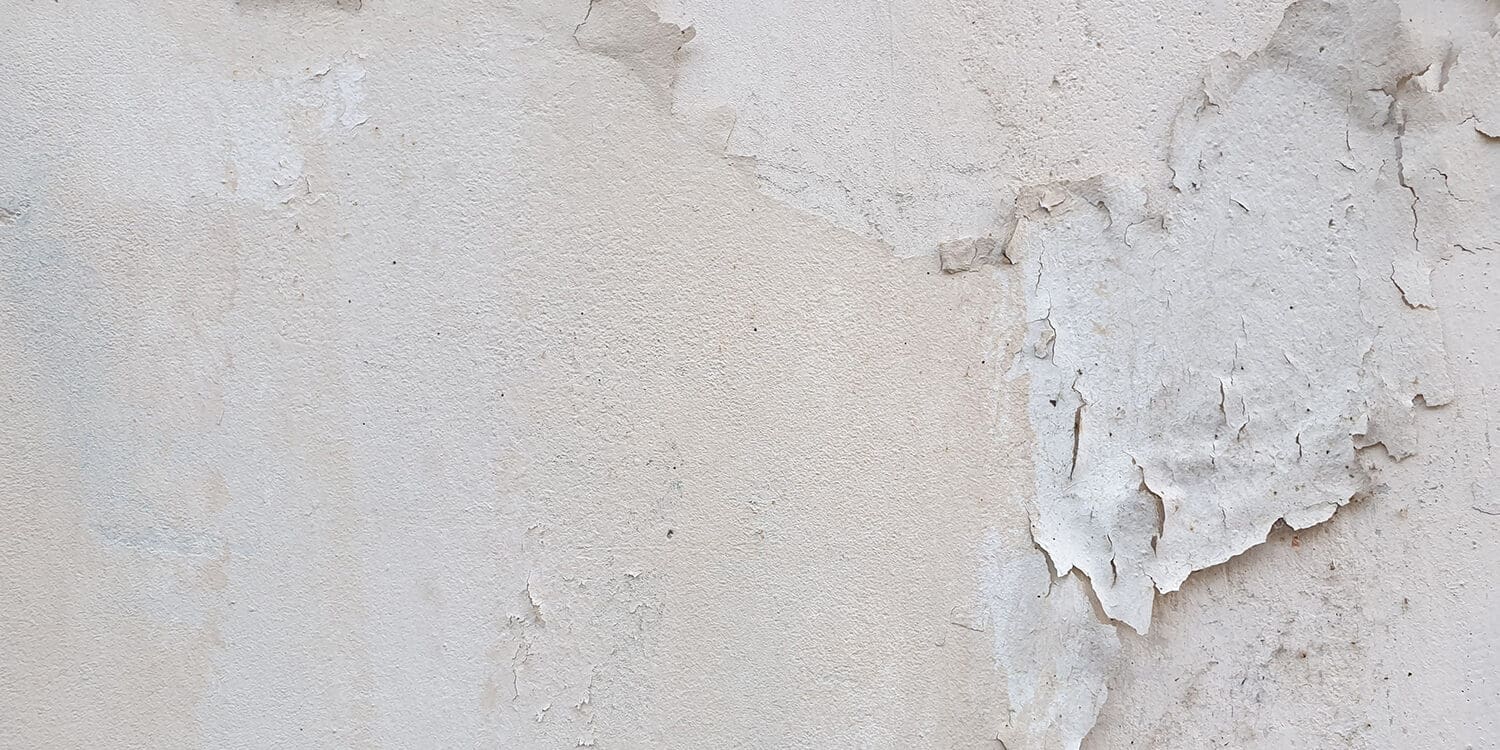
Few decorating problems are more frustrating than seeing paint peeling off the wall you’ve recently decorated. Whether it’s small flakes around a window, bubbling patches on a ceiling or large sections lifting away from the surface, peeling paint doesn’t just look unsightly – it often indicates an underlying issue that needs addressing before redecorating.
Fortunately, most cases of peeling paint on walls can be repaired successfully once you’ve identified the cause. In this guide, we’ll explain why your paint is peeling off the wall, how to repair the damage correctly, and the best ways to stop paint from peeling in the future.
Why Is My Paint Peeling Off the Wall?
If you’re wondering why your paint is peeling off the wall, the answer is rarely because of the paint alone. Peeling usually happens because the paint has lost its adhesion to the surface underneath.
Some of the most common causes include:
Moisture Issues
Excess moisture is one of the biggest reasons for peeling paint. Bathrooms, kitchens and utility rooms produce high levels of humidity, while leaks from roofs, plumbing or external walls can allow water behind the paint film, causing it to lift away.
Poor Surface Preparation
Painting over dusty walls, grease, loose paint or glossy surfaces without proper preparation prevents new paint from bonding correctly. Over time, this weak adhesion can result in peeling.
Painting Over Damp Walls
Even if a wall appears dry, hidden moisture can become trapped beneath fresh paint. As the moisture tries to escape, it forces the paint away from the surface.
Low Quality Paint or Incorrect Products
Using inexpensive paint or applying the wrong type of paint for the environment can shorten the lifespan of your decoration. High-moisture rooms require specialist products that are designed to cope with condensation and regular cleaning.
Missing or Incorrect Primer
Fresh plaster, bare wood, repaired filler and previously painted glossy surfaces all benefit from the correct primer. Skipping this step often leads to poor adhesion and premature failure.
Painting in Poor Conditions
Applying paint when it’s too cold, too humid or onto excessively hot surfaces can affect how the paint cures, increasing the likelihood of peeling later.

How to Fix Peeling Paint on Walls
Successfully repainting walls with peeling paint starts with fixing the underlying cause rather than simply applying another coat of emulsion. Follow the steps below
Step 1: Find the Cause and Correct Before Repairing
Before carrying out any repairs, identify why the paint has failed. Repair leaks, improve ventilation, treat damp problems or allow newly plastered walls sufficient drying time. If the underlying issue isn’t resolved, the paint is likely to peel again regardless of how carefully you redecorate.
Step 2: Remove Loose Paint from the Wall
Carefully remove all loose, flaking or blistered paint using a scraper or filling knife. Depending on the severity of the damage, various paint stripping peel away methods or specialist paint removers may be appropriate, particularly where multiple old layers have failed. The aim is to create a stable surface with no loose edges remaining.
Step 3: Repair Damaged Areas and Prepare the Surface
Once the damaged paint has been removed, fill any cracks, dents or damaged plaster using a suitable filler. Once dry, sand the surrounding area to feather the edges into the existing finish. This creates a smooth transition that won’t be visible after painting. Remove all dust thoroughly before moving on to the next stage.
Step 4: Prime the Surface for Long-Lasting Results
Applying the correct primer helps seal repairs and provides an even surface for the topcoat to bond to. Different surfaces require different primers, so always choose one that’s appropriate for plaster, previously painted walls or areas affected by moisture.
Step 5: Repaint Walls with Anti-Peeling Paint
Finally, apply two even coats of a high-quality paint suitable for the room. While no product is completely “anti-peeling”, premium paints combined with good preparation provide excellent adhesion and durability, helping to prevent future problems.

How to Stop Paint from Peeling
Although repairs are possible, prevention is always the better option. Following good decorating practices will significantly reduce the chances of paint failure. Below are some preventative measures you can take to stop paint from peeling.
Control Moisture
Improve ventilation by using extractor fans, opening windows where possible and repairing leaks promptly. Keeping humidity levels under control is one of the most effective ways of preventing peeling paint.
Prepare Every Surface Thoroughly
Never rush preparation. Clean away grease, dust and dirt, remove any loose paint, fill imperfections and sand glossy surfaces before decorating.
Use High Quality Paints
Premium paints generally contain higher quality binders and pigments, providing stronger adhesion and longer-lasting finishes. They’re particularly worthwhile in kitchens, bathrooms and high-traffic areas.
Paint in the Right Conditions
Avoid decorating when temperatures are extremely cold, excessively hot or when humidity levels are very high. Following the manufacturer’s recommendations allows paint to cure properly.
Inspect Your Home Regularly
Signs of water ingress, cracked sealant, or damaged pointing can eventually lead to decorating problems. Catching these issues early helps prevent widespread paint failure.
Special Considerations for Peeling Paint on Ceilings
Painting ceilings presents its own challenges because warm, moist air naturally rises. This is particularly noticeable if your bathroom ceiling paint is peeling, as condensation regularly forms after showers and baths. The best paint for bathroom ceilings are moisture-resistant paints designed for humid environments.
If you’re painting a peeling ceiling, it’s essential to remove all loose paint, resolve any moisture issues and apply a suitable primer before redecorating. Simply applying fresh paint over damaged areas is unlikely to provide a lasting solution.
When to Use a Professional Decorator
Many homeowners can repair small areas of peeling paint themselves, but there are situations where employing a professional decorator is often the most cost-effective option.
One of the main reasons to use a professional decorator is if you can’t identify why the paint has failed, as repeatedly repainting without solving the root cause may lead to ongoing problems and additional expense. A professional can assess whether moisture, poor preparation or structural issues are responsible before carrying out the correct repair.
Professional decorators also have access to specialist preparation equipment, quality primers and premium paints that help achieve a durable finish which stands the test of time.
You may also wish to hire a decorator if:
- The affected area is extensive
- The peeling involves ceilings or high-level work
- The surface requires significant repairs
- You want a flawless finish without visible repair marks
- You simply don’t have the time, equipment or confidence to complete the work yourself
If you’re weighing up whether to tackle the job yourself, feel free to contact us first where we can advise you of your options and provide a free quote for our support.
FAQs
Can you paint over peeling paint?
You can, but you shouldn’t if you want lasting results. The cause should be identified and resolved first. After this, loose paint should always be removed and the surface properly prepared before repainting to achieve a durable finish.
Why is my bathroom ceiling paint peeling?
The most common cause of bathroom ceiling paint peeling is excess moisture from condensation. Poor ventilation, inadequate preparation and using the wrong type of paint can also contribute.
Why does my paint keep peeling after repainting?
This usually means the underlying cause hasn’t been resolved. Moisture, poor surface preparation or applying paint without the correct primer are common reasons for repeated paint failure.
What primer should I use after removing peeling paint?
Choose a primer that’s suitable for the surface you’re decorating. Stain-blocking or moisture-resistant primers may also be appropriate where previous water damage has occurred.
Should I sand peeling paint or strip it completely?
Loose paint should always be stripped first and then sanded to feather the edges and smooth the surface before priming and repainting.
What type of paint is best for preventing peeling?
High-quality, durable paints designed for the room you’re decorating generally provide the best adhesion. Kitchens and bathrooms particularly benefit from moisture-resistant formulas.
Can moisture cause paint to peel from walls and ceilings?
Yes. Moisture is one of the leading causes of peeling paint on walls and ceilings. Addressing leaks and improving ventilation are essential for preventing future problems.
Summary
Although peeling paint can be frustrating, it’s usually a symptom of an underlying issue rather than simply poor-quality paint. By identifying the root cause, preparing the surface properly and using the correct primers and paints, you can successfully fix paint peeling on a wall and greatly reduce the risk of it happening again.
Whether you’re dealing with paint peeling off the wall in a living room or painting a peeling ceiling in a humid bathroom, taking the time to repair the surface correctly will result in a smoother, more durable finish that lasts for years. If the damage is widespread or you’re unsure what’s causing the paint to peel, hiring a professional will often save you both time and money in the long run.
At Marshels, we’ve been serving residential and commercial customers across the South of England for over 40 years. Our team of professional painters and decorators and refurbishment specialists have seen it all, with no job too big or small. If you’ve got a project in mind and are looking for flawless, professional and lasting results, call us on 01252 377714 or email enquiry@marshels.co.uk to arrange a visit and a free no-obligation quote.